Timeless Charm: The Vintage Food Menu Social Media Template
There’s a certain magic in a hand-lettered chalkboard or a weathered diner menu that instantly transports you to another time. For designers and business owners, capturing that nostalgic, authentic feeling in a digital space is a powerful tool for connection. This is where a thoughtfully designed asset like the Vintage Food Menu Social Media Post template becomes invaluable. It’s more than just a pretty picture; it’s a complete, print-ready foundation for crafting compelling visual stories that resonate with an audience craving authenticity and warmth. Forget sterile, generic layouts—this template offers a direct path to creating social media content that feels personal, curated, and rich with character.
More Than Just a Pretty Frame
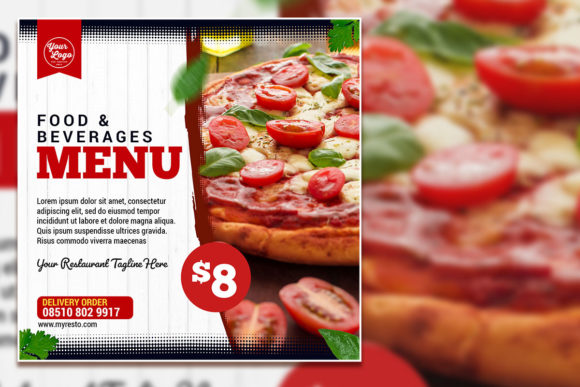
At its core, this resource is a fully editable PSD file, designed at a high-resolution 2000 x 2000 pixel dimension with a 300 DPI RGB color profile. This technical specification is crucial for ensuring your final graphics are sharp, vibrant, and ready for both digital screens and physical prints. The 100% layered structure is a designer’s dream, allowing you to dissect every element. Adjust the background texture, swap out decorative borders, change the color palette to match your brand, and manipulate text blocks with complete freedom. The use of 100% free fonts removes a common barrier, making professional typography accessible from the start. Remember, the provided images are placeholders—your own photography of dishes, ingredients, or behind-the-scenes shots will transform this template into a unique piece of your brand’s visual identity.
Crafting Cohesion Across Platforms
One of the greatest challenges in modern marketing is maintaining a consistent and recognizable brand presence. A versatile asset like this is the key to achieving that harmony. Imagine using the same vintage aesthetic for your Instagram feed, Facebook event covers, and Pinterest pins. This template ensures your visual language remains uniform, strengthening brand recall every time a follower encounters your content. The layered design allows you to create a series of posts with slight variations—perhaps one featuring a full menu layout, another a single dish spotlight, and a third a customer testimonial—all while retaining that cohesive, nostalgic feel. This consistency builds trust and professionalism, signaling to your audience that every detail of your business is carefully considered.
Practical Applications for the Modern Creative
The utility of this template extends far beyond a single Instagram post. For a small bakery or café, it becomes the cornerstone of a seasonal promotion campaign. A food blogger can use it to beautifully present a new recipe or a curated list of favorite restaurants. Even beyond the food industry, the vintage aesthetic has broad appeal. A boutique clothing store could adapt the layout for a "Fall Collection Lookbook" post. A wedding planner might use it to announce a rustic-themed bridal show. The editable nature means you can repurpose the design for:
- Digital Products: Create visually appealing mockups for e-books or printable recipe cards.
- Marketing Assets: Design eye-catching email headers, website banners, and sale announcements.
- Print Collateral: The high resolution makes it perfect for designing table tents, flyers, or small posters for local events.
- Brand Identity Elements: Extract stylistic elements like borders or textures for use in logo design or packaging mockups.
Typography That Tells a Story
The fonts included in a design asset are its voice. A vintage-themed template often pairs a strong, legible serif or sans-serif font for body text with a more expressive script or handwritten font for headlines and accents. This combination is not just aesthetically pleasing; it’s functional. The serif font ensures readability for menu items or detailed information, while the script font injects personality and a human touch. When you customize the template, pay close attention to this pairing. Ensure the headline font complements, rather than competes with, your body text. Test different sizes and colors to maintain hierarchy and guide the viewer’s eye naturally through the layout. The goal is to create a seamless reading experience that feels both stylish and effortless.
Smart Customization for Maximum Impact
To truly make this template your own, think like a brand strategist. Start by aligning the color palette with your existing brand identity. Swap the default colors for your brand’s primary and secondary hues, but consider muting them slightly to maintain the vintage feel. Next, focus on imagery. Your photos are the star of the show. Use high-quality, well-lit images that tell a story—whether it’s the steam rising from a fresh coffee or the texture of a hand-kneaded dough. The layered PSD file makes swapping images simple. Finally, review the licensing of the template to ensure your intended use, whether for a client project or your own commercial venture, is fully covered. This careful, intentional customization process is what elevates a generic template into a powerful, bespoke marketing tool that genuinely connects with your target audience.